Claim Your Free Gutter Cleaning With Roof Job
Storm Damage Roofing: How to Identify Roof Damage and Navigate Insurance Claims
Severe weather can leave behind more than fallen branches and scattered debris. Storms often cause significant roof damage that may not be immediately visible from the ground. Whether your area experiences high winds, hail, heavy rain, or flying debris, understanding how to identify storm damage roofing issues is essential for protecting your home and avoiding costly repairs.
Knowing what to look for after a storm, when to call a professional, and how to handle the insurance process can help homeowners respond quickly and effectively. This guide explains the common signs of roof damage from storm events, the professional inspection process, and the steps involved in filing a storm damage roof insurance claim.
What Is Considered Storm Damage to Roof?
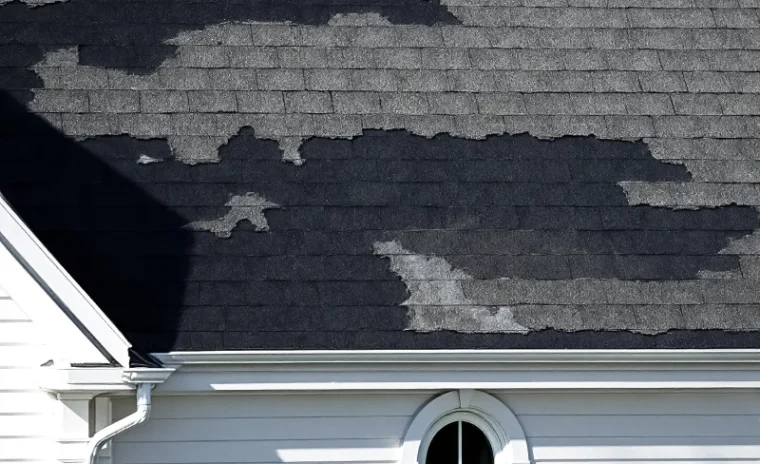
Many homeowners wonder, what is considered storm damage to roof systems and whether the damage qualifies for insurance coverage. Storm damage can occur in several forms depending on the severity and type of weather event.
Common examples include:
- Missing, lifted, or torn shingles caused by strong winds
- Hail impacts that crack, dent, or bruise roofing materials
- Water intrusion from heavy rain
- Damage from fallen tree limbs or debris
- Bent or detached flashing
- Damaged gutters and downspouts
- Granule loss on asphalt shingles
- Structural damage caused by excessive storm force
Even minor damage can create openings that allow moisture to enter your home. Over time, this can lead to mold growth, wood rot, insulation damage, and interior water stains.
How to Check for Roof Damage After a Storm
Knowing how to check for roof damage after a storm can help you identify potential issues before they become larger problems. However, safety should always be your top priority.
Start with a visual inspection from the ground. Look for:
1. Missing or Damaged Shingles
Check for shingles that appear lifted, curled, cracked, or completely missing. Wind damage often affects roof edges, ridges, and corners.
2. Debris on the Roof
Large branches, tree limbs, and other debris may indicate impact damage. Even if the roofing material appears intact, hidden structural issues may exist underneath.
3. Damaged Gutters and Downspouts
Inspect gutters for dents, separation, or excessive granules that have washed off the roof. Granule accumulation often signals shingle deterioration.
4. Signs of Water Damage Indoors
After a storm, inspect your attic and ceilings for:
- Water stains
- Damp insulation
- Dripping water
- Mold growth
- Musty odors
These signs may indicate that storm-related damage has already compromised your roofing system.
Avoid climbing onto the roof yourself, especially after severe weather. Wet surfaces, hidden damage, and unstable areas create serious safety risks.
Understanding Roof Damage from Storm Events
Different weather conditions can affect roofs in different ways.
1. Wind Damage
High winds can loosen shingles, break seals, and expose the underlayment beneath the roofing material. Wind may also cause tree limbs and debris to strike the roof surface.
2. Hail Damage
Hail can leave dents, cracks, and bruising on shingles. While some damage is obvious, other impacts may weaken roofing materials and shorten their lifespan without immediate visible signs.
3. Heavy Rain Damage
Excessive rainfall can exploit vulnerabilities in the roof system. Small cracks, damaged flashing, or loose shingles may allow water to penetrate the structure.
4. Falling Debris
Storms frequently bring down branches, trees, and airborne objects. Impact damage can affect shingles, flashing, gutters, skylights, and even the roof deck itself.
Because some forms of roof damage from storm activity are difficult to identify without professional training, a thorough inspection is often recommended after severe weather.
The Storm Damage Roof Inspection Process
The storm damage roof inspection process involves a detailed assessment performed by a qualified roofing professional. These inspections help determine the extent of damage and provide documentation for insurance purposes if necessary.
A professional inspection typically includes:
1. Exterior Roof Evaluation
The contractor examines roofing materials for:
- Missing shingles
- Hail impacts
- Wind damage
- Flashing issues
- Structural concerns
- Evidence of water penetration
2. Gutter and Drainage Inspection
Gutters, downspouts, and drainage systems are inspected for storm-related damage and signs of excessive granule loss.
3. Interior Assessment
Inspectors often examine attics and ceilings for water intrusion, moisture damage, and ventilation concerns.
4. Documentation and Reporting
Photographs, measurements, and detailed notes are collected to document the damage. This information can become valuable when filing an insurance claim.
A professional inspection provides a clearer picture of the roof’s condition and helps homeowners make informed repair decisions.
When to Contact a Storm Damage Roofing Company
After a significant weather event, contacting a reputable storm damage roofing company can help ensure damage is identified and addressed properly.
You should consider scheduling an inspection if:
- Your area experienced hail or high winds
- Tree limbs struck your home
- You notice leaks or water stains
- Shingles appear damaged or missing
- Neighbors are reporting roof damage
- Your roof is older and more vulnerable to storm impacts
Professional roofing contractors have the experience and equipment needed to safely assess storm damage and recommend appropriate repairs or replacement solutions.
Prompt action can prevent minor damage from developing into more expensive structural issues.
Filing a Storm Damage Roof Insurance Claim
One of the most common questions homeowners ask is whether they should file a storm damage roof insurance claim after severe weather.
The answer depends on the extent of the damage and your insurance policy. If substantial damage has occurred, filing a claim may help offset repair or replacement costs.
1. Document Everything
Before making temporary repairs, document all visible damage by taking clear photographs and videos.
Capture:
- Roof damage
- Fallen debris
- Interior water damage
- Damaged gutters and siding
- Any impacted property around the home
Detailed documentation strengthens your claim and provides evidence for the insurance adjuster.
2. Contact Your Insurance Provider
Notify your insurance company as soon as possible after discovering the damage. They will explain the next steps and provide instructions for initiating the claims process.
3. Schedule a Professional Inspection
Many homeowners choose to have a roofing contractor inspect the damage before meeting with the insurance adjuster. The contractor can provide documentation and help identify issues that may otherwise be overlooked.
4. Meet With the Adjuster
The insurance adjuster will inspect the property and evaluate the damage. They will determine whether the damage qualifies for coverage under your policy.
Does Insurance Cover Storm Damage to Roof?
Many homeowners ask, does insurance cover storm damage to roof systems?
In many cases, homeowners insurance policies cover sudden and accidental storm-related damage caused by events such as:
- Windstorms
- Hailstorms
- Fallen trees
- Lightning-related incidents
Coverage varies depending on your policy terms, deductibles, exclusions, and the age or condition of the roof prior to the storm.
Insurance companies typically do not cover damage caused by neglect, lack of maintenance, or normal wear and tear. Reviewing your policy and speaking directly with your insurance provider can help clarify your coverage.
Protect Your Home After a Storm
Storms can cause both visible and hidden roofing damage that threatens the safety and integrity of your home. Understanding what is considered storm damage to roof systems, learning how to check for roof damage after a storm, and scheduling a professional inspection when necessary can help prevent costly complications.
By working with a trusted storm damage roofing company and properly documenting any damage, homeowners can navigate the insurance process more confidently and restore their homes more efficiently. Taking prompt action after severe weather is one of the best ways to protect your property and ensure your roof continues to provide reliable protection for years to come.